
Responsive Navigation Bar with Logo
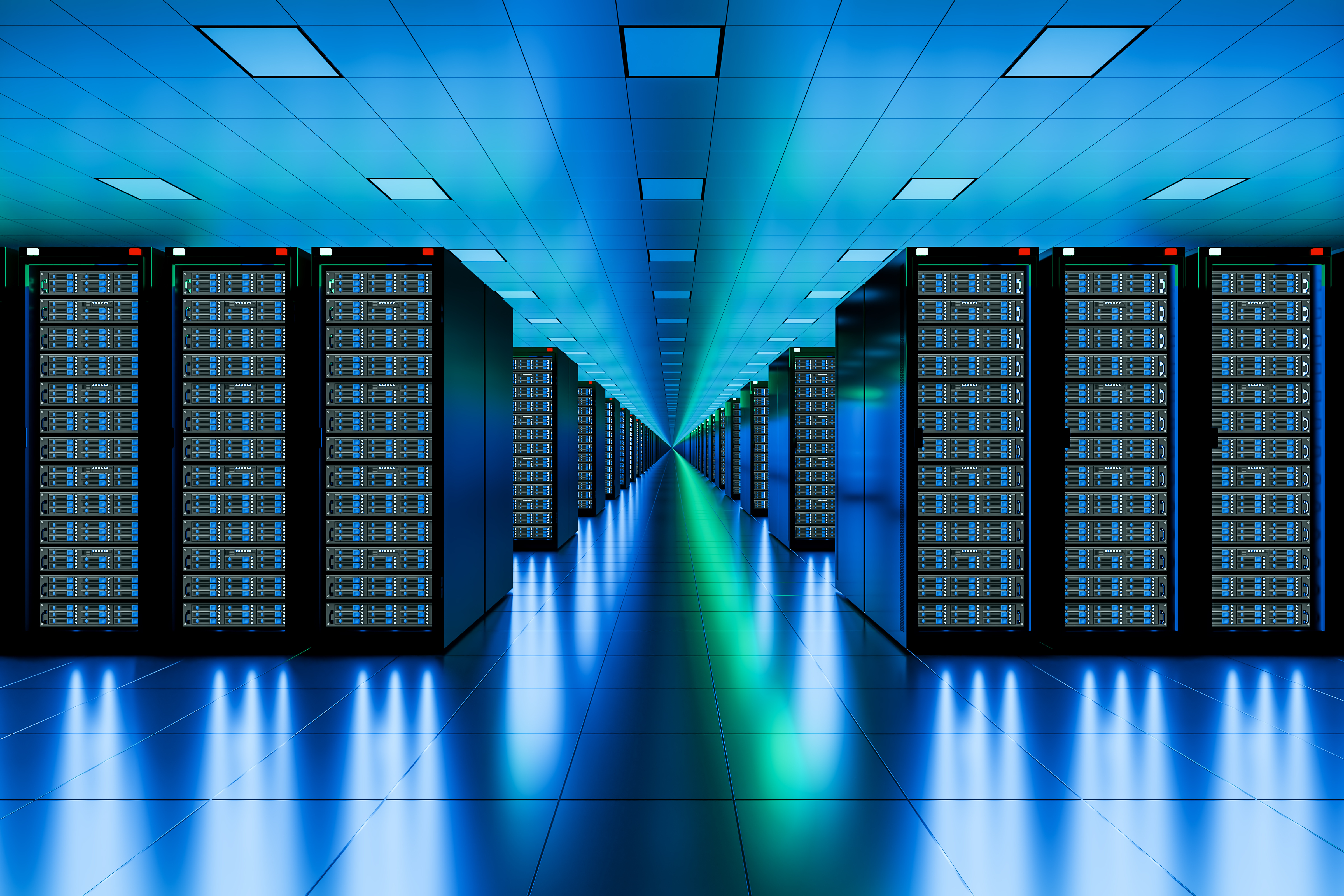
Large-scale data center
Belden Two-Step Flow – Persistent Image

The shift

AI workloads are redefining how data centers are built and operated. Demand is rising faster than capacity. At the same time, operators are expected to deploy faster and maintain uptime in more complex environments.
What worked for traditional workloads is no longer sufficient.

Belden Two-Step Flow – Persistent Image
High tech internet data center room with rows of racks with network and server hardware.


The real constraint

Most strategies focus on scaling compute but the real limitation is infrastructure. A significant portion of space is still allocated to non-core systems. Infrastructure inefficiencies limit how much compute can actually be deployed. This creates a gap between what your data center can support and what AI requires.

The AI readiness gap

This gap typically shows up in:

  • Density limitations
  • Inefficient space utilization
  • Slow deployment models
  • Limited visibility across systems
  • Increasing operational complexity

These challenges are interconnected and compound over time.

Belden Two-Step Flow – Persistent Image

A new approach

Supporting AI workloads requires a different infrastructure model:

  • Right-sized infrastructure aligned to actual requirements
  • Modular, preconfigured deployment for speed
  • Integrated monitoring and control across systems
  • Scalable, vendor-agnostic architecture

What this means

  • Deployment timelines improve
  • More capacity is unlocked within existing space
  • Operational complexity is reduced
  • Systems scale more efficiently

Download the framework

This will help you understand how infrastructure impacts performance, efficiency, scalability, and the questions you must ask before you start.

Belden Footer